We spend a significant amount of time at work, upskilling, and becoming proficient at what we do in order to stay relevant. Sometimes that comes at the expense of family time and personal well-being. In some settings this is labeled “grit” and rewarded. In others, it might be seen as unhealthy work-life integration.
Lately, I’ve been asking what makes for a healthy work environment. I don’t think there is a single, universal definition. Yet, as emotional beings, I suspect we share a few essentials, but the specifics vary by person and context.
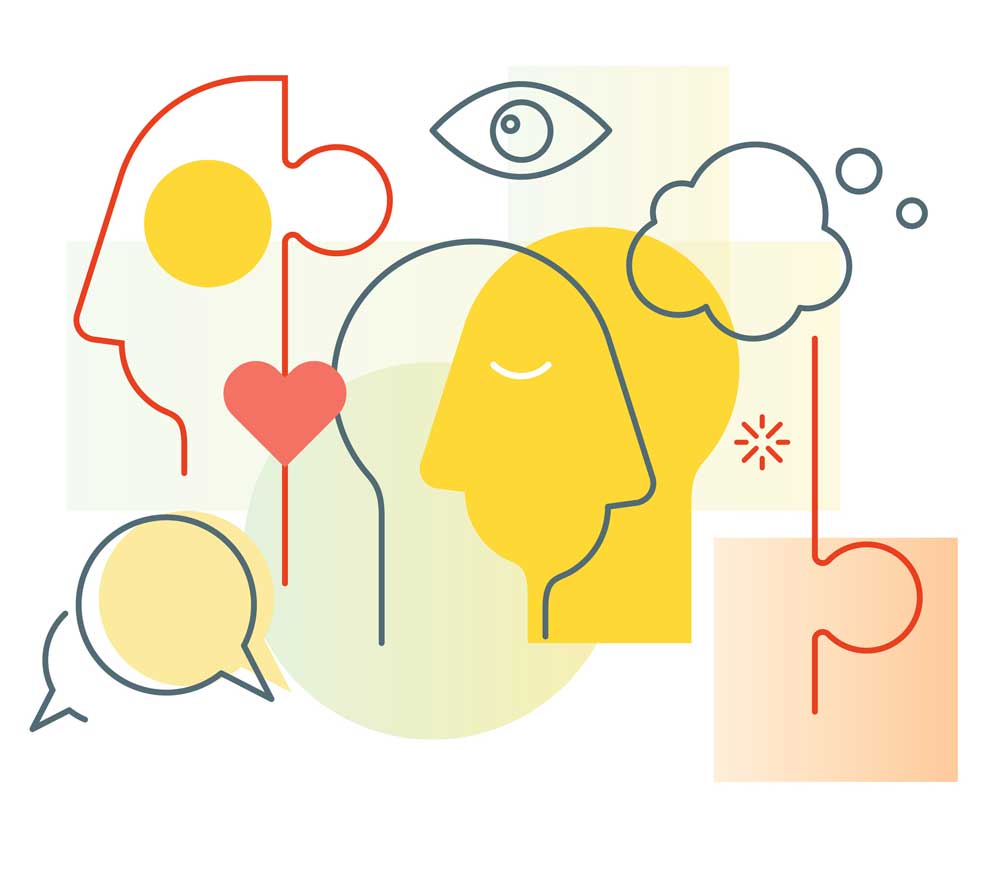
Recently, I joined a webinar hosted by the Center for Creative Leadership, titled, Shaping Organizational Culture Through Shared Sensemaking. One of the findings shared was a top leadership challenge: limited self-awareness. (The presenter did not define how they measured self-awareness or the sample size, so I’m making a few thoughtful leaps.) 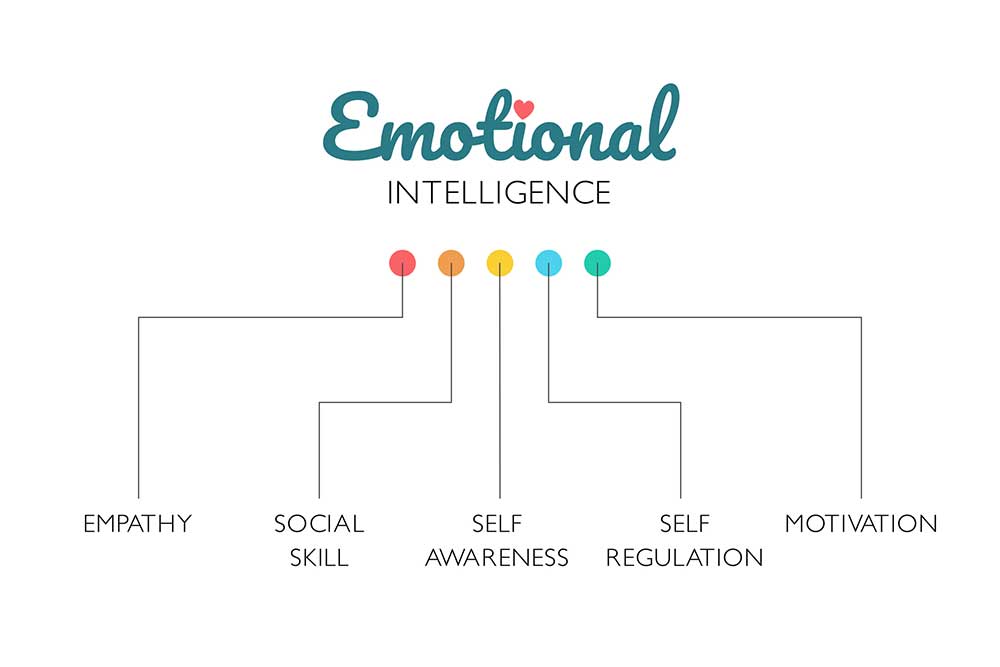 The first, Daniel Goleman’s work on emotional intelligence helps many organizations frame self-awareness as knowing oneself and paying ongoing attention to one’s internal states. This isn’t about chasing self-improvement—though greater awareness can bring benefits well beyond personal growth. Nor is it simply a business strategy to boost productivity. Rather, it’s an awareness that strengthens empathy and deepens our ability to read others’ cues. And if leaders struggle with that awareness, how effectively can they lead with empathy or emotional intelligence?
Reason without feeling is blind
According to Barsade and O’Neill, a corporate culture is often understood as its cognitive culture—the shared intellectual values, norms, and assumptions that guide a group to thrive. This is undeniably an important factor in an organization’s success. Yet it does not represent the whole picture.
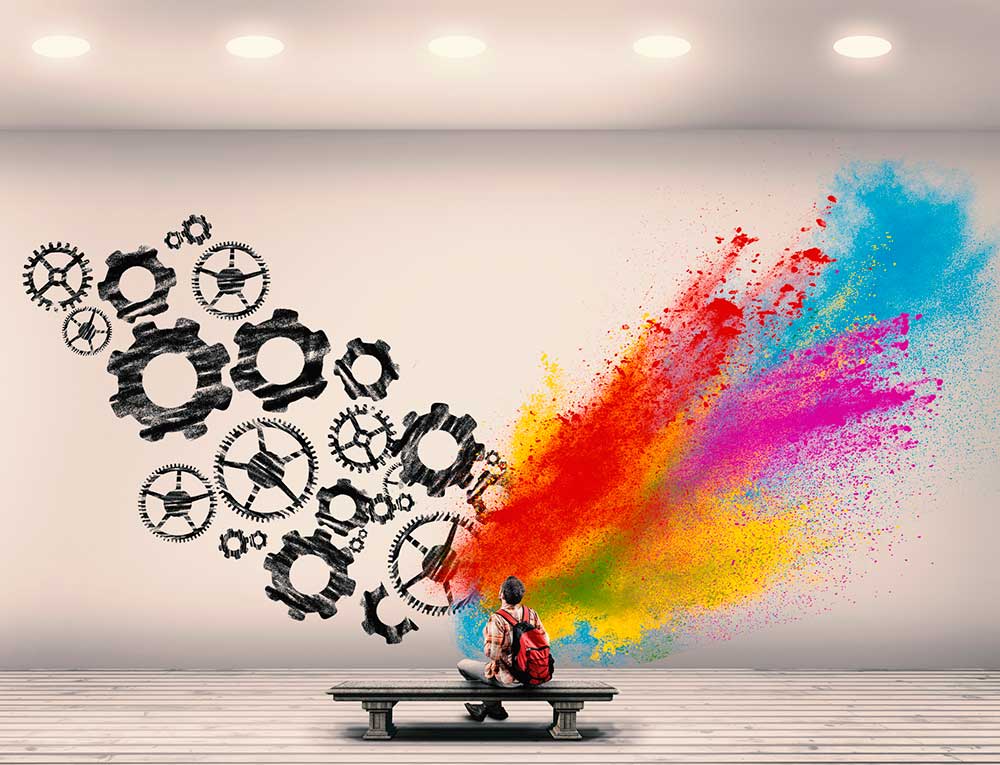 Second leap: When leadership overlooks the emotional aspects of culture, they miss a vital component of what makes their organization truly function. Leaders who understand both reason and emotion are better equipped to see how people’s feelings and thinking shape behavior. The first step is “know thyself,” which opens the door to understanding employees’ emotional landscapes. How to get there is the $10,000 question, but I have one idea.
Third leap: I believe this work requires deep inner exploration—an honest look at all of who we are, both the pleasant and the uncomfortable parts. It calls for: Vulnerability. Curiosity. Humility. The Safety of Trusted Friends who tell it like it is, and the willingness to sit with the unknown. This means stepping out of the purely rational mind and being present with the discomfort and lessons of emotions. And it requires faith, trust, and openness along the way.
According to Richard Davidson, our relational field and social interactions drive our emotions. As emotional beings, our feelings are deeply intertwined with our thoughts, decisions, behaviors, and social interactions. That raises the question: Is there a place for emotions in an organization? From the employees’ perspective, how they behave at work is directly influenced by emotional culture—shaping their satisfaction, burnout, teamwork, financial performance, and even absenteeism. So, I can safely say yes, emotions absolutely belong in the workplace.
Leaders’ ability to understand both their emotional and rational selves, and how those dynamics play out in relation to their employees, is critical to the health and well-being of an organization’s emotional culture.
So, back to the leadership self-awareness challenge cited above.
There is a lot written about leading with emotions, often framed as Emotional Intelligence. Yet, given the command-and-control leadership styles we’ve seen of late, leading with emotions might be wavering.
When the pressure mounts to meet metrics, chase quarterly numbers, respond to polycrisis, and manage geopolitical volatility, balance suffers. Operations design, control systems, and governance structures often receive attention, while the emotional culture that helps employees thrive is left behind.
 This shows up in the prevalence of quiet cracking: dissatisfaction, lack of fulfillment, the desire to quit, and the sense that many workplaces are unhealthy. What needs to change for a work environment to truly support well-being?
You might say quiet cracking is an employee issue. Yes, employees have agency in how they behave. But they are also part of a system—an organization—that they respond to emotionally through its actions or inactions. It’s simple physics, Newton’s Third Law of Motion. Fourth leap: every action has an equal and opposite reaction.
People skills
Are not soft skills.
A primary reason I attended the webinar was curiosity about what would be shared on “sensemaking” in organizational culture. That was my rational mind at work, trying to make sense of what can often feel like a tangled web.
To my delight, the super skills for sensemaking turned out to be coaching skills:
- Listen to understand
- Ask powerful questions
- Challenge thinking
- Establish next steps
What I want to amplify here is asking powerful questions. For me, this is about inspiring movement—flow—not necessarily seismic change, but small shifts that invite further inquiry and action. A powerful question creates space to examine what we think we know and to explore how we might want to be in this moment.
Final leap: We are more than our professional titles, and leadership shows up in many forms. At different stages of our growth, there are gaps in awareness. Introspection through powerful questions helps narrow those gaps. Here are a few questions for your consideration:
 How does this emotion I’m feeling, this moment, serve and or hinder?
- How well do my nonverbal actions match my words?
- What is getting in the way of full honesty or transparency right now?
- How do I want to show up in this moment?
In today’s changing landscape, awareness of our emotions is central to both personal and professional well-being. This awareness shapes how we recognize our own emotions and how we respond to others.
Emotional connection is a basic human need—one that supports our overall health, deepens cooperation, and gives meaning to our relationships. As Dōgen reminds us, “To study the [Buddha] Way is to study the self…” His words invite us to see that understanding ourselves and one another is an endless journey—one that shapes both personal well-being and our collective flourishing.
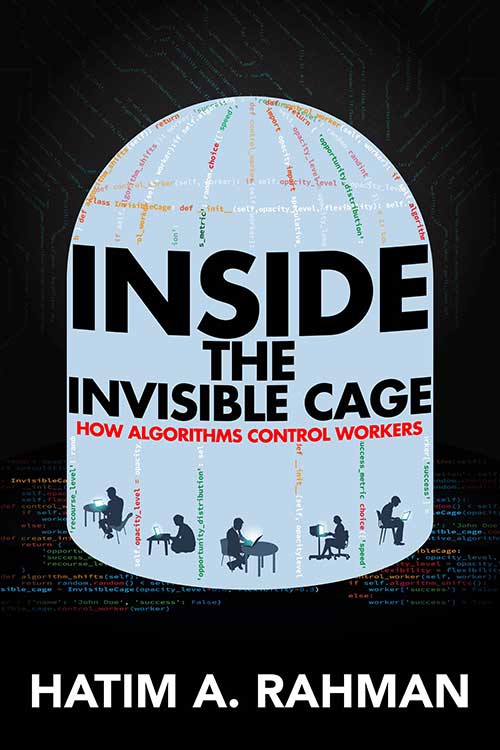 While browsing the Sociology section of the bookstore, I came across Inside the Invisible Cage by Rahman. Earlier this year, I made a commitment to deepen my understanding of AI. This book takes a particular angle, exploring how algorithms are “caging workers” and reshaping the way markets and institutions categorize, manage, and control people.
I’m curious to see how Rahman unpacks this invisible cage and what it means for the future of work.
What about you—what are you excited to read this fall?
Thanks for the book recommendation:
Salem:

Marca:

The universe has offered me opportunities to revisit a question I shared in the August blog: “How are you opening yourself to unfeigned connections?”
After reading Jen Fisher’s Substack post, The Trouble With (Work) Friends, I started wondering whether work friendships might be a kind of social contract of reciprocity—or not.
The Oxford dictionary defines reciprocity as “the practice of exchanging things with others for mutual benefit.” In friendship, that can look like mutual sharing and respect—making space for the full complexity of our humanity, both what is seen and what lives beneath the surface.
So, how might work friendship be a reciprocal relationship? And to be clear, this isn’t what Fisher is necessarily implying. Yet, that’s the rabbit hole I entered.
I appreciated Fisher’s comment about “the work friendships that transcend context and become life friendships.” In this season of my life, I find sustaining those bonds outside the work environment challenging, given how fragile the thread in which these relationships are formed. Often, it is around a single issue that fails to make space for the complexity of the relationship outside of the work environment. For those fortunate enough to have work friendships, keeping them alive once you’re no longer at the same place of employment requires effort. An effort that I believe is short-lived without appropriate attention.
I’m also noticing the disingenuous patterns we’ve grown used to: “Let’s get together soon.” “I’ll call you later.” Later comes and goes, no action is taken, and the relationship fades. Sometimes through natural attrition. Other times, it reflects how we’ve learned to relate or not relate to each other.
As we culturally reshape the social contract of relationships—how we show care and accountability—I’m curious what this will look like going forward. There’s a real desire for deeper connection, and yet, at times, we act in ways that work against that desire.
In the October 2022 blog, I noted that employees who have relationships with five friendly colleagues at work report feeling more connected. Yet many leaders [and employees] don’t know how to cultivate that connectedness in the workplace. Environments driven by productivity metrics and rewards for high performers often fail to recognize the diverse relational needs of the workforce. This makes me question, are these environments truly equipped to support work friendships?
Friends, in short, keep us healthier. And we don’t need many friends to benefit from healthy social well-being.
So, I leave you with this: what does it mean, in your adult life, to have and nurture work friendships?
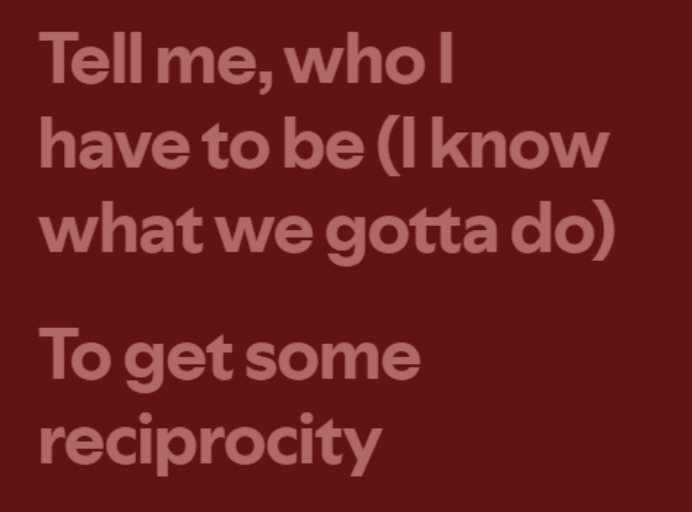
Lyrics from Ms. Lauryn Hill’s Ex-Factor
Curious about how many meaningful relationships we can maintain at work? Check out the Dumbar Graph.